Spreadsheets fall short for KPI tracking. ClearPoint Strategy automates reporting, centralizes data, and drives better results for your strategic goals.
- Consolidate departmental KPI spreadsheets into one shared source. Separate folders per department leave a disconnected mess that takes hours to untangle.
- Automate updates, reports and owner reminders. Velosio cut reporting time by 75% after moving its KPI tracking off spreadsheets.
- Cut manual copy-paste out of KPI updates. A wrong formula or deleted column can snowball into costly missteps.
- Use role-based permissions instead of shared files. Shared spreadsheets bring overlapping edits and locked files, and lack the security sensitive data needs.
- Tally your real costs with the hidden costs of Excel reporting. Count manual hours, opportunity cost, delayed decisions and security risk.
Spreadsheets have long been the go-to tool for tracking KPIs. They’re simple and familiar, and they get the job done until they don’t. As your organization grows, managing performance metrics with spreadsheets can feel like trying to fit a square peg into a round hole.
ClearPoint Strategy is performance management software built to replace spreadsheet chaos with clear reporting and automation. Here’s why ClearPoint is the smarter choice for tracking your KPIs and turning your strategy into results.


Spreadsheets: A Familiar Tool with Serious Limits
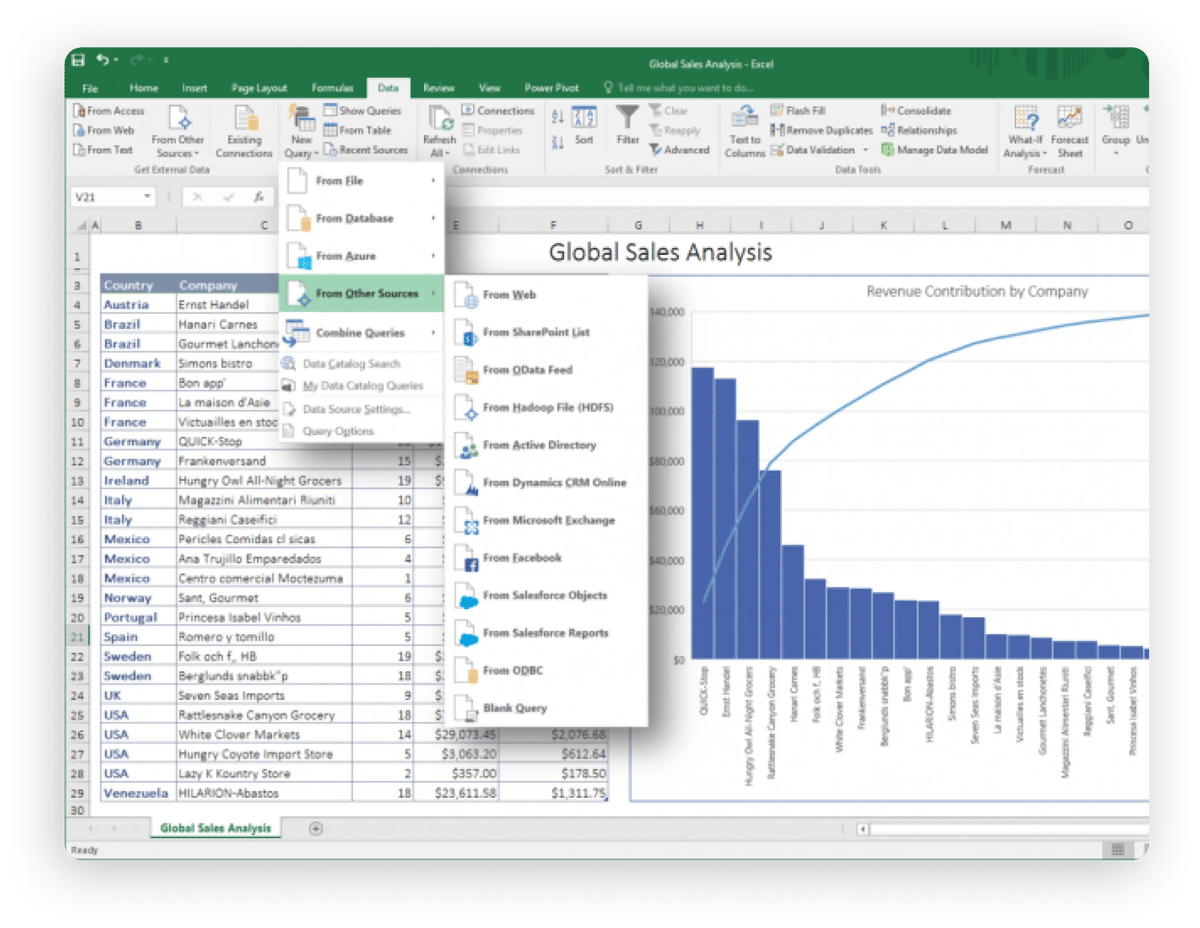
For years, spreadsheets have been the Swiss Army knife of KPI tracking. What once felt like the perfect fit often frays as you grow.
1. Spreadsheets Create Silos
Every department has its own spreadsheet or system to track its metrics. Marketing, finance, human resources and the rest each keep their own folders of targets and key performance indicators. The result is a disconnected mess of data that takes hours to untangle, if you can track it down at all.
2. Errors Lurk Everywhere
Someone copy-pastes the wrong formula, deletes a column, or forgets to save the latest version. Spreadsheets breed human error, and those mistakes can snowball into costly missteps.
These mistakes have cost real organizations real money. TransAlta, a major power company, lost $24 million because of a copy-paste error in Excel. Fidelity’s Magellan fund once treated a $1.3 billion loss as a gain because of a missing minus sign: a $2.6 billion swing from a single keystroke.
3. Reporting is a Grind
A quick summary for your CEO means blocking off time to wrestle with charts and format a report by hand. Spreadsheets don’t offer flexibility or automation, so you’re stuck in the weeds when you need answers fast.
4. Collaboration is a Nightmare
Editing a spreadsheet with a team means endless emails, overlapping edits, and the dreaded “file locked by another user” message. It’s enough to send anyone over the edge.
5. Hidden Costs
Using spreadsheets may feel cost-effective, but they come with significant hidden costs:
- Time Lost to Manual Processes: Hours spent on data entry, formatting, and error-checking add up quickly.
- Opportunity Costs: Time wasted on spreadsheets is time not spent on strategic analysis or higher-value tasks.
- Delayed Decisions: Slow reporting processes can delay critical decisions that impact your bottom line.
- Security Risks: Spreadsheets lack the security features needed to protect sensitive data, which can result in compliance issues or breaches.
ClearPoint Strategy: The Upgrade You’ve Been Waiting For
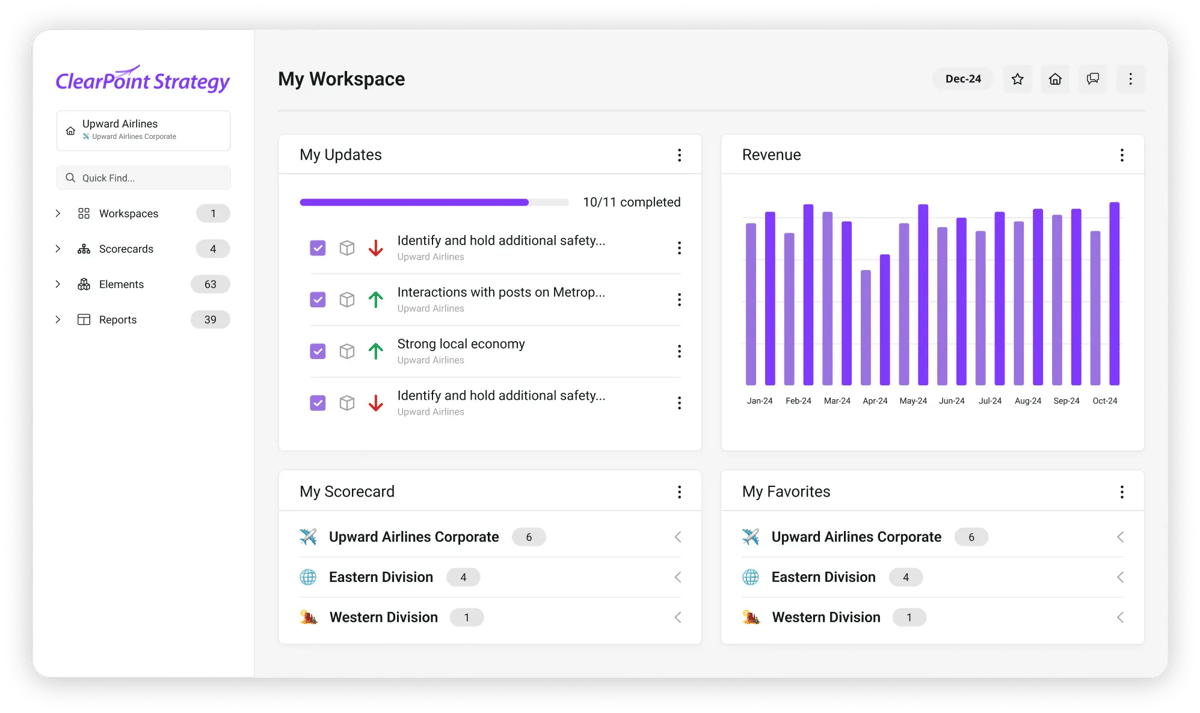
ClearPoint solves the spreadsheet problem and changes how you track, analyze, and act on your KPIs. Here's how:
1. All Your Data, All in One Place
No more hunting for files or asking different teams for updates. ClearPoint keeps your KPI data in one place. Integrations with tools you already use keep your metrics updated in real time, so siloed spreadsheets become a thing of the past.
2. Automate the Busywork
ClearPoint has features that automate updates, dashboards, and even email reminders, so you spend less time copy-pasting data and more time on strategic thinking.
3. Make Data Actionable
Stop squinting at static graphs and wondering what they mean. ClearPoint’s customizable dashboards and interactive visuals make it easy to spot trends, identify gaps, and get straight to the insights that matter most.
4. Collaborate Like a Pro
With ClearPoint, your team works on the same page in real time, and role-based permissions keep data secure. Comment threads and notifications keep conversations organized, so nothing slips through the cracks.
Real Results: How Velosio Streamlined KPI Tracking with ClearPoint

When Velosio, a leading provider of business management solutions, realized their reliance on spreadsheets was slowing them down, they turned to ClearPoint Strategy for a smarter approach to KPI tracking. Their story shows how moving beyond spreadsheets changes how you track performance and how you reach strategic goals.
The Challenge: Spreadsheet Overload
Velosio's team was managing multiple spreadsheets across departments, each with its own data sets and formulas. This approach led to:
- Time-Consuming Reporting: Hours were spent manually consolidating data to create reports for leadership.
- Data Inaccuracies: Human error in spreadsheets often compromised the reliability of their KPIs.
- Fragmented Information: Disconnected files made it difficult to see the big picture and align departmental goals with the organization’s strategy.
Velosio needed a central system to unify their metrics and cut the inefficiencies of spreadsheets.
The Solution: Why ClearPoint?
ClearPoint gave Velosio a central platform that addressed each of these problems. With ClearPoint Strategy in place, they gained:
- Automated Reporting: ClearPoint’s automation tools allowed Velosio to generate detailed, presentation-ready reports in minutes instead of hours.
- Centralized Data: All KPIs were now stored in one location, giving leadership immediate access to real-time insights.
- Improved Accuracy: By reducing manual entry, ClearPoint helped Velosio minimize errors and trust the data they relied on to make decisions.
- Enhanced Collaboration: ClearPoint's role-based permissions and real-time updates let teams work together while protecting data integrity.
The Impact: A Strategic Transformation
The switch to ClearPoint made Velosio’s processes more efficient and changed how they approached performance management. By cutting reporting time by 75%, they freed up resources to focus on strategic initiatives. Having all their data in one place also made it easier to track progress, identify trends, and adjust tactics as needed.
Velosio’s leadership described the transformation as a game-changer for their organization, allowing them to make data-driven decisions faster and more confidently.
Read the full case study for Velosio + ClearPoint here.
Why Choose ClearPoint?
If spreadsheets have been holding your KPI tracking together with duct tape and good intentions, it’s time to upgrade. Whether you’re scaling up, struggling with reporting, or tired of manual processes, ClearPoint gives you a tool that grows with your organization.
Common questions